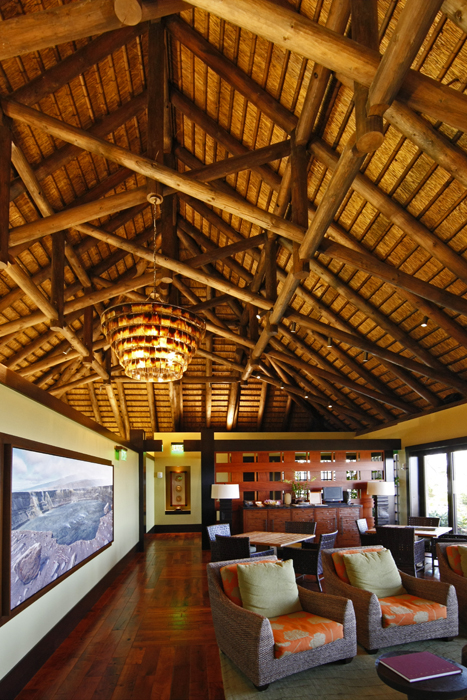
Understanding the timber frame home build time is one of the first steps toward making your dream home a reality. Unlike conventional stick-built construction, timber frame homes involve a unique process that combines centuries-old craftsmanship with modern precision engineering. Hamill Creek Timber Homes, a custom timber frame manufacturer based in British Columbia with over 35 years of experience, has guided hundreds of clients through the building process from initial sketch to move-in day. The total timeline for a timber frame home typically ranges from 6 to 18 months, depending on design complexity, permitting, and finishing choices. Knowing what to expect at each stage helps you plan with confidence and avoid the surprises that derail budgets and schedules.
Typical Timeline for Building a Timber Frame Home
A complete timber frame home build generally takes between 6 and 18 months from the start of design through move-in, though larger or more complex projects can extend beyond that range. The timeline depends on several interconnected phases, each of which contributes its own schedule demands.
The major stages of a timber frame home build include:
- Design and planning — defining the layout, aesthetics, and structural approach for your home
- Permitting and site preparation — securing municipal approvals and getting your building site ready for construction
- Timber frame production — manufacturing the frame in a controlled shop environment
- Frame raising — assembling the timber frame structure on your prepared site
- Interior finishing — completing mechanicals, insulation, drywall, cabinetry, flooring, and final inspections
Here’s a quick look at what each phase typically takes:
| Phase | Estimated Duration |
| Design & Planning | 2–4 months |
| Permitting | 2 weeks – 3 months |
| Timber Frame Production | 4–6 weeks |
| Frame Raising | 5–14 days |
| Interior Finishing | 3–6 months |
| Total | 6–18 months |
Each stage flows into the next, and how smoothly they connect often determines whether your project stays on schedule. Working with an experienced team that manages these transitions is one of the most effective ways to keep timelines predictable.
Timeline Breakdown by Phase
Every timber frame home build moves through distinct phases. Here’s what each one involves and how long you can expect it to take.
| Phase | Estimated Duration | Key Activities |
| Design & Planning | 2–4 months | DDC, 3D CAD modeling, engineering |
| Permitting | 2 weeks – 3 months | Engineer-sealed drawings, municipal review |
| Timber Frame Production | 4–6 weeks | CNC cutting, hand finishing, shop test-fit, packaging |
| Frame Raising | 5–14 days | On-site assembly by an experienced crew |
| Interior Finishing | 3–6 months | Mechanicals, SIPs, drywall, trim, inspections |
Planning, Design, and Permitting
The design phase is where your timber frame home takes shape. Hamill Creek’s in-house design team uses 3D CAD modeling to engineer every joint and structural element, giving you a clear picture of your home before production begins. This collaborative process starts with a Design Development Contract (DDC) and typically takes 2 to 4 months, depending on design complexity and how quickly decisions are made.
Engineering and permit-ready drawings follow the design phase. Hamill Creek provides engineer-sealed drawings for every timber frame home, regardless of location or load requirements. Permit review timelines vary significantly by municipality. Some jurisdictions approve plans within a few weeks, while others may take 2 to 3 months or longer. Your local building department’s workload and familiarity with timber frame construction both play a role.
Planning ahead during this phase pays off. The more thoroughly you and your design team work through the details upfront, the fewer change orders and delays you’ll encounter during construction.
Timber Frame Production and Raising
Once the design is finalized and permits are in hand, your timber frame goes into production. Hamill Creek manufactures every frame at their production facility in Meadow Creek, British Columbia, using sustainably sourced Douglas Fir with traditional mortise and tenon joinery secured by oak pegs. CNC cutting ensures precision, while hand finishing preserves the character that makes each frame unique.
Production typically takes 4 to 6 weeks. One of the most important steps in Hamill Creek’s process is test-fitting every frame in the shop before it ships. This ensures that every mortise and tenon joint fits precisely, so the on-site raising goes smoothly and efficiently.
The frame raising itself is one of the most exciting moments in the build. A skilled crew assembles the timber frame structure on site, and this phase typically takes just 5 to 14 days, depending on the size and complexity of the home. It’s remarkable how quickly the structure comes together when every component has been pre-cut, tested, and labeled for efficient assembly.
Interior Finishing and Final Inspections
The finishing phase is often the longest and most variable part of the timber frame home build time. This stage includes mechanical systems (plumbing, electrical, HVAC), insulation, drywall, cabinetry, flooring, trim work, and all the details that make your house a home.
For many builds, Structural Insulated Panels (SIPs) are installed to create an energy-efficient building envelope. The finishing phase typically takes 3 to 6 months, though highly customized homes with specialty features may take longer. Final inspections and occupancy permits wrap up this stage.
What Factors Impact the Build Timeline?
Several factors can speed up or delay your timber frame house timeline. Understanding them early helps you plan realistically and make decisions that keep your project on track.
- Size and complexity are the most significant variables. A modest cabin on a straightforward lot moves faster than a large custom home with complex roof lines and specialty features. The level of customization matters too. Choosing from Hamill Creek’s pre-designed timber frame kits or hybrid options can shorten the design phase compared to a fully custom build.
- Seasonal weather affects site work and exterior finishing. In northern climates, foundation work and exterior trades are typically limited during winter months. Planning your timeline around regional building seasons can prevent weather-related delays.
- Permitting timelines vary widely by location. Some rural counties process permits quickly, while urban or environmentally sensitive areas may require additional review. Starting the permit process early is always a smart move.
- Change orders during construction are one of the most common causes of delays. Every design change during the build requires re-engineering, re-ordering, and re-scheduling. Thorough planning during the design phase minimizes these disruptions.
- Material and labor availability can also shift timelines. Working with a timber frame manufacturer like Hamill Creek, who sources and processes timber at their own facility with an onsite sawmill, reduces the supply chain risks that affect many conventional builds.
What to Expect When Planning Your Timber Frame Home Timeline
The timber frame construction process becomes much more predictable when you’re working with experienced builders who have managed hundreds of projects. Thoughtful planning during the design phase, realistic expectations about permitting, and clear communication throughout the build are the keys to staying on schedule.
Plan your build with the expert timber frame builders at Hamill Creek and map a realistic timeline from design through completion.
Frequently Asked Questions About Timber Frame Build Timelines
Are timber frame homes faster to build than conventional homes?
The timber frame itself goes up faster than conventional framing because the components are pre-manufactured and test-fitted before arriving on site. However, the overall build timeline is comparable to a conventional custom home because the finishing phase (mechanicals, insulation, drywall, and trim) takes a similar amount of time regardless of framing method. The real advantage is precision: fewer on-site surprises mean fewer costly delays.
How long does it take to raise a timber frame home?
Hamill Creek’s timber frame raisings typically take 5 to 14 days, depending on the size and complexity of the structure. Because every frame is test-fitted at the production facility in Meadow Creek, BC, before shipping, the on-site assembly is efficient and well-organized. Each timber is labeled and arrives with clear installation instructions.
When should I start planning if I have a move-in deadline?
Work backward from your target move-in date and add a buffer for permitting and weather. For most projects, starting the design process 12 to 18 months before your desired move-in date gives you comfortable room for design development, permitting, production, and finishing. If you’re building in an area with a short construction season, allow extra time.
Can I move in before the entire home is finished?
In most jurisdictions, you’ll need an occupancy permit before moving in, which requires that all safety systems (electrical, plumbing, HVAC, smoke detectors) be inspected and approved. Some homeowners choose to complete their homes in phases, finishing essential living spaces first and tackling secondary rooms later. Check with your local building department about partial occupancy permits.
How early should I contact a timber frame builder?
The earlier, the better. Reaching out during the dreaming and planning stage gives your timber frame manufacturer time to collaborate with your architect and builder on structural integration, which leads to a smoother build. Hamill Creek Timber Homes works with clients from the earliest design concepts through final raising, and early collaboration helps avoid costly redesigns down the road.