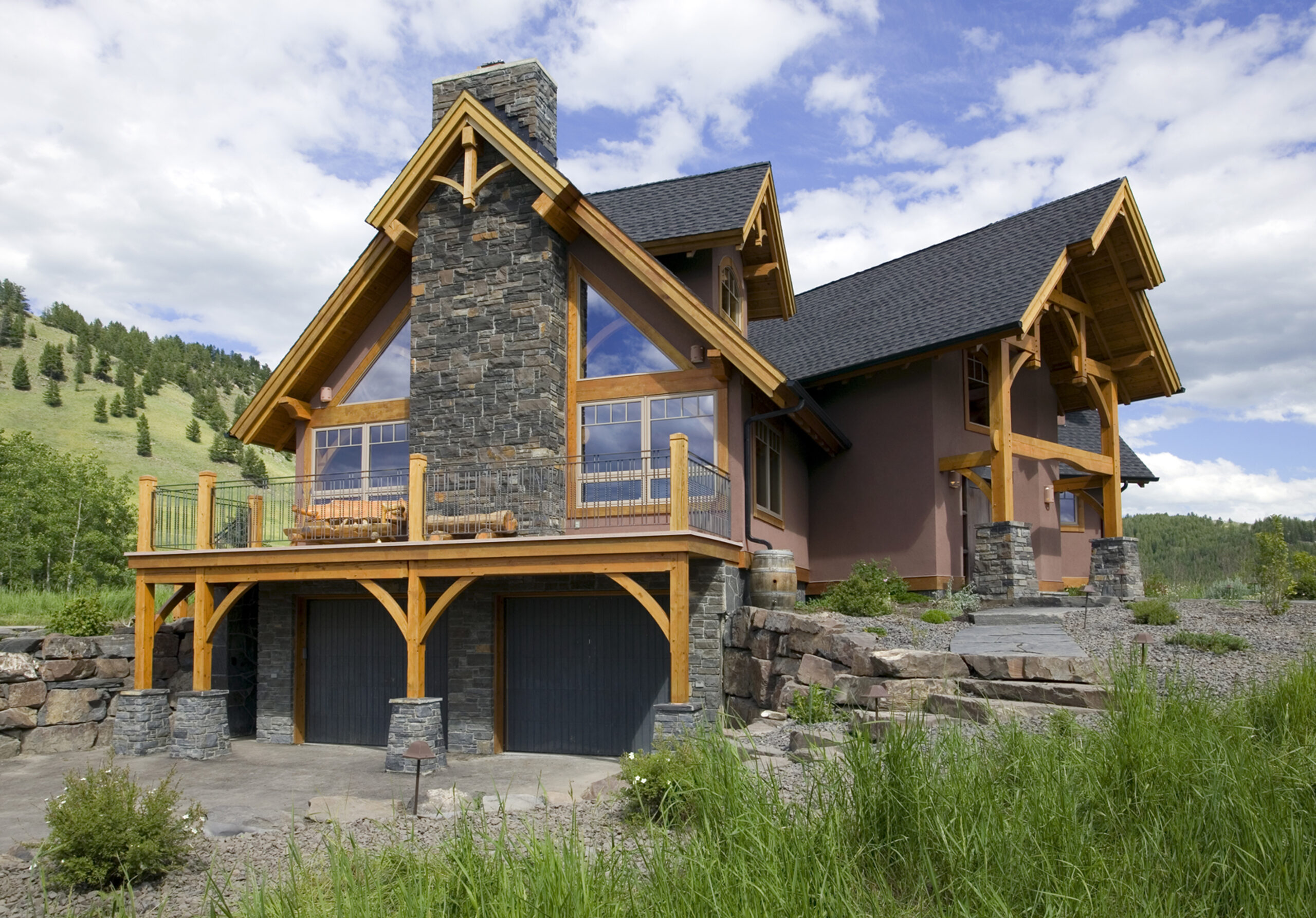
Timber frame homes offer so many benefits for homeowners. Lovely, detailed craftsmanship sets the home apart from most. When properly maintained, the homes can last multiple lifetimes. These wonderful qualities tend to make timber frame resale value high, just one more advantage of choosing this building style.
If you are wondering about the lifespan, durability, maintenance, and resale of timber frame homes, we are here to help. Our professional timber frame builders know more about these structures than most. Read on to get the answers to your questions. If you need more information, please don’t hesitate to contact us.
Understanding Timber Frame Home Lifespan
We are often asked how long a timber frame home can realistically last. It’s a reasonable question. Timber frame homes can be over 100 years old, as demonstrated by structures like the Fairbanks House in Dedham, Massachusetts. Built around 1641, it’s the oldest timber frame structure in the United States. 173, High Street, Berkhamsted in England, is even older, dated to somewhere between 1277 and 1297.
One of the biggest factors affecting the lifespan of a timber frame home is the choice of wood species used in construction. At Hamill Creek, we only use high-quality softwoods, which are strong, beautiful, and proven to stand the test of time. When properly maintained and treated with natural preservatives like borate to protect against insects and decay, softwood timber frames can last for generations.
Factors That Affect Durability
When considering the lifespan of a timber frame home, it’s helpful to understand the factors that can affect durability. Failing to account for these factors and take necessary precautions can certainly impact timber frame resale value negatively, as well as make the home less comfortable to live in.
The following factors are most likely to reduce the longevity of a timber frame home:
Moisture Control
Moisture can cause extensive damage to a home, especially if it is left unaddressed for an extended period of time. Timber frame homes are no exception. If moisture gets in, it can cause mold, rot, and other damage.
Flashing, overhangs, and drainage should all be included in a timber frame home design. If any of these become damaged, it can allow moisture into the home.
Pests & Insects
Timber frame homes are vulnerable to pests and insects like termites. Fortunately, proper sealing of the structure and regular termite prevention practices can prevent infestations. Over time, sealing can degrade, and insects can make their way in. That’s why regular inspections are so important. They help you spot termites early on before they can cause too much damage.
Design, Craftsmanship & Joinery Details
Professional timber frame engineering and experienced craftspeople can ensure your home is built properly. Smart designs and quality joinery prevent wear and decay. They keep moisture and insects out of the home.
Wood Species & Longevity
Using the right wood is a necessity for a home that can stand the test of time. Douglas fir, Western Red Cedar, and other durable options, when properly sealed, can keep moisture out and frustrate insects for decades.
Maintenance Strategies
Maintenance practices are essential to ensure durability. Keep a regular inspection schedule to identify potential problems early on and repair them before they become bigger problems. For example, it is often necessary to re-seal timbers after enough time has passed, particularly if they are exposed to the elements. Minor repairs now can save money and protect the timber frame’s resale value.
Timber Frame Homes & Resale Value
How does a timber frame home perform in resale compared to conventional homes? Timber frame homes are typically more costly to build than conventional homes. That tends to cause them to have a higher resale value than a conventional home.
Buyers who value craftsmanship, uniqueness, and durability are often attracted to timber frame homes. Ultimately, the resale value of a home is highly individual, based on the features of the home, the area it’s located in, the way the market is performing, and more. That being said, you can generally expect your timber frame home to sell for a good price. It’s a unique, gorgeous home that stands out in so many ways.
Design choices that can enhance market value include high-quality, beautiful wood species like Douglas fir or cedar. Exposed structural elements like heavy timber beams and decorative trusses are also attractive to buyers. Open, vaulted ceilings with large windows tend to draw buyers as well.
Tips to Maximize Lifespan and Value
If you own a timber frame home or plan to, it can be helpful to know how to maximize its lifespan and value. Consider the following tips:
- Regular maintenance schedule: A regular schedule for maintenance ensures that a qualified professional is looking over your home and identifying problems early on. They can also perform the recommended maintenance tasks your home builder provides, so nothing slips through the cracks.
- Use quality materials and finishes: This is one area where you don’t want to cut corners. Make sure to use the materials and finishes your builder recommends to maximize durability and moisture protection.
- Protect against moisture and pests: These are the two biggest dangers to the longevity of your home. Either one can cause major damage.
- Smart design choices for future resale: If your budget allows, strive to incorporate design choices that will attract future buyers – like exposed timbers, vaulted ceilings, and large windows.
Timber Frame Home Lifespan, Durability, and Resale Value FAQ’s
How long do timber frame homes last?
Timber frame homes can last 100 years or more, depending on how well-maintained they are.
What maintenance is required?
Regular inspections, moisture management, protective treatments, and pest control. Regular inspections at least once a year are important to identify risks and ensure routine maintenance is performed.
Does climate affect durability?
It can affect the durability of a poorly maintained home. A home that loses its moisture prevention in a rainy environment will degrade. But if you maintain the home, a timber frame structure can be durable even in the most challenging climates.
How does resale compare to conventional homes?
Timber frame homes can sell for higher prices than conventional homes. However, keep in mind that market factors change constantly. Typically, well-designed and well-maintained timber frame homes sell for great prices.
Can design choices extend lifespan?
Yes, they can. Choosing higher-quality timbers and sealants can extend the lifespan of a timber frame home. Utilizing designs that incorporate moisture prevention is also important. Your home design needs to account for all areas where moisture can become an issue and incorporate preventative measures.
Partner with Timber Frame Experts for Lasting Quality
If you want a home that will last for generations and sell for a great price, you can’t go wrong with a well-built timber frame home. Timber frame homes have been known to last for over 100 years, and those are homes that did not have the preventative treatments we have available today.
It’s important to understand, though, that timber frame homes are only durable if they are properly maintained. Regular maintenance is a necessity. Moisture and pests are the enemies of timber framing, and it’s important to regularly check for them to protect your home’s longevity.
If you want a well-built, durable timber frame home, we have you covered. Our designers and builders can help you build a home that will stand the test of time.
Protect your investment with craftsmanship that endures. Reach out to the timber frame experts at Hamill Creek today to discuss your future home.
Blog Archive / How to Save Money on Your Timber Frame Home Price